Instructions to use PQlet/textual-inversion-v2-vec3 with libraries, inference providers, notebooks, and local apps. Follow these links to get started.
- Libraries
- Diffusers
How to use PQlet/textual-inversion-v2-vec3 with Diffusers:
pip install -U diffusers transformers accelerate
import torch from diffusers import DiffusionPipeline # switch to "mps" for apple devices pipe = DiffusionPipeline.from_pretrained("runwayml/stable-diffusion-v1-5", dtype=torch.bfloat16, device_map="cuda") pipe.load_lora_weights("PQlet/textual-inversion-v2-vec3") prompt = "Astronaut in a jungle, cold color palette, muted colors, detailed, 8k" image = pipe(prompt).images[0] - Notebooks
- Google Colab
- Kaggle
- Local Apps
- Draw Things
- DiffusionBee
# Textual Inversion training - PQlet/textual-inversion-v2-vec3
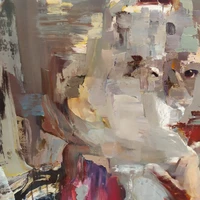
The generated images are below.
Intended uses & limitations
How to use
# TODO: add an example code snippet for running this diffusion pipeline
Limitations and bias
[TODO: provide examples of latent issues and potential remediations]
Training details
[TODO: describe the data used to train the model]
- Downloads last month
- 8
Model tree for PQlet/textual-inversion-v2-vec3
Base model
runwayml/stable-diffusion-v1-5


